Synopsis
‘Such a powerful book’ – The Irish Times
‘Compelling’ – Financial Times
‘Brilliantly researched and written’ – The Observer
‘Humane and illuminating’ – Olivia Laing, author of The Lonely City
NOW WITH A NEW INTRODUCTION
A mother asks: what else could I do?
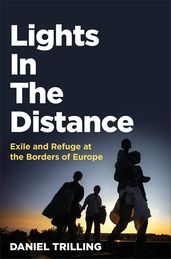
She puts her children into a refrigerated lorry, hoping it's the safest way out. A runaway teenager comes of age on the streets and in abandoned buildings. A student leaves his war-ravaged country because he refuses to kill. Every year, thousands of people cross into Europe seeking asylum, each one carrying a story that doesn't end at the border.
In Lights in the Distance, acclaimed journalist Daniel Trilling draws on years of reporting to build a portrait of the refugee crisis as seen through the eyes of those who lived it. As the EU has grown, so has a tangled, often violent system built to filter out unwanted migrants, one that stretches from the border deep into Europe's cities. Visiting camps and hostels, sneaking into detention centres, and drawing on his own family's history of displacement, Trilling follows people across countries and years, revealing how labels like refugee or illegal fall short of the truth.
The EU was founded on a promise: never again. Now, facing its worst refugee crisis since the Second World War, that promise is being tested. Lights in the Distance is a powerful, illuminating account of what's really at stake.
Details
Reviews
“In this informative, compassionate book, Trilling encourages readers to see that connection and gain an understanding of what those traveling the arteries of Europe in search of a safer home are going through”Publishers Weekly, Publishers Weekly
“Compelling . . . the author’s mastery of the details of his subject shines through”Financial Times, Financial Times
“By treating his subjects as fully conscious individuals rather than as a mass of victims without agency (often the flip side of the perception of the refugee as alien threat), Trilling brings human detail – individuality – into focus”Times Literary Supplement, Times Literary Supplement
“An engrossing account of refugees is a book to read for anyone who takes the biggest moral question of our age seriously. Trilling‘s journalistic skill once again shines in this reportage”Ece Temelkuran