Feeling inspired by Blue Planet III? Here are 5 things you can do to help save the ocean, according to a marine biologist
Practical ways to meaningfully help our oceans from marine biologist and award-winning ocean conservationist, Emily Cunningham, author of Our Ocean to Save.
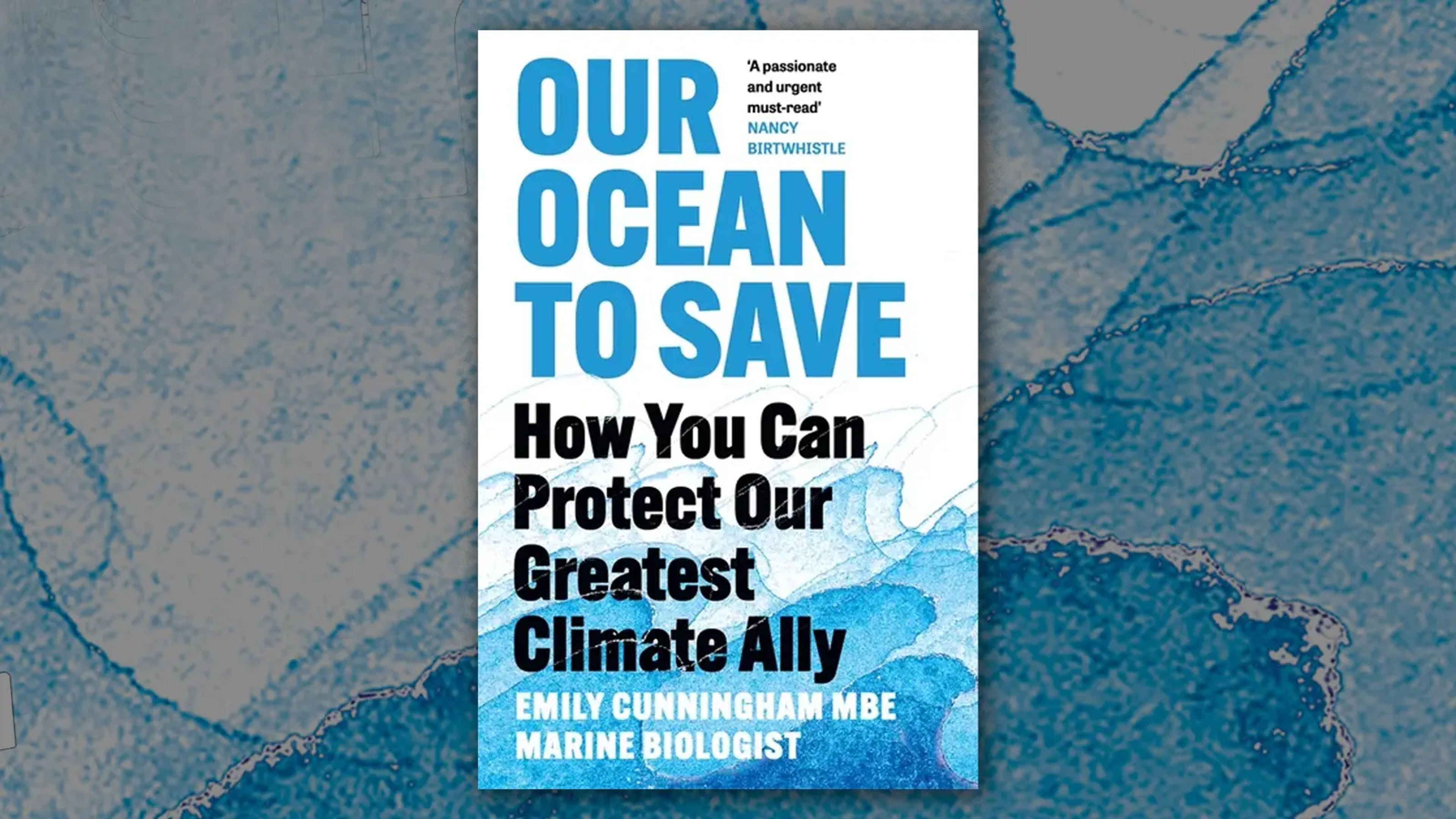
If you’ve been wowed by the incredible creatures captured in Blue Planet III, you’ve likely been equally worried by the often devastating changes in the incredible environments in which they live, a result of climate change, pollution and waste. In her inspirational new book, Our Ocean to Save, marine biologist Emily Cunningham suggests practical, achievable things we can all do to help protect our oceans. ‘Individual action is good, collective action is better, and action that brings about systemic change is best,’ she argues. In this edited extract, she gets us started on individual action, offering five ideas you can try straight away.
1. Aim for achievable changes, not perfection
One of my biggest sources of hope is how many people, all around the world, are recycling, reusing, and making sustainable purchasing choices. Thanks so much if you’re already doing this. I’ve found in my many (many) conversations over the years that people want to do more to care for the ocean, but they aren’t sure what to do beyond reusable tote bags and paper straws. As you read through the ideas below, pick the things that seem doable to you in your current circumstances. Essentially, do what you can. Perfection is impossible and not the aim. If every reader did just one of these things, it would still mean the ocean is better off than it is now.
2. Treat your drains as a direct connection to the ocean
Our wastewater is a major source of microfibres, chemicals, nutrients and pharmaceutical pollution. Only pee, toilet paper and poo go down the loo and cotton buds, sanitary products and wet wipes should all go in the bin. On behalf of all beach cleaners, let me say that we hate picking up pantyliners and those awful single-use interdental brushes. Any unused pharmaceuticals should be returned to a pharmacy to be properly disposed of, not put down the drain (nor discarded to landfill).
Buy a home microfibre filter for your washing machine. This filters the microfibres out from the wastewater, preventing up to 99 per cent of those microfibres from reaching the ocean. Check for ‘misconnections’ – where the wastewater pipes can be plumbed into the wrong drain and go straight into local streams and rivers.
Road or storm drains often lead directly to local waterways, so don’t pour anything into these.
3. Garden with rivers, seas – and seagrass – in mind
Aim to garden with compost and natural fertilizers, with a policy of no weedkiller, no pesticides and no chemical fertilizers. If you don’t have a garden, apply the same advice to houseplants or window boxes. Chemical and nutrient pollution has a terrible effect on our rivers and oceans. When I asked world-renowned seagrass biologist and Chief Conservation Officer at Project Seagrass15 (a global seagrass conservation organization), Dr Benjamin Jones what’s the best thing a reader of my book could do to help seagrass, one of our greatest climate allies, he said ‘Stop using fertilizer in the garden and eat less meat’.
4. Get your pet involved
Kind of! If you have a pet, there are some extra things you can do to help.
For example, take a look at where your pet’s food comes from. If it is seafood-based, is it from a well-managed fishery? If you can’t tell from the packaging, contact the manufacturer and show them that their customers care about this.
Do you treat your pets for fleas and ticks? These treatments are one of the primary sources of pesticide pollution in our homes and rivers. Two of the common ingredients, Imidacloprid and Fipronil, have been banned for agricultural use in the UK due to the environmental harm they are known to cause. It’s thought that 81 per cent of UK pet owners use these treatments preventatively, even without any sign of infestation. These chemical pesticides can end up in our rivers or ocean when dogs swim.
Please heed signs to keep your dog on a leash by water. When I worked on the Dee Estuary, I would watch with horror as unleashed dogs bounded along the beach forcing flocks of birds to fly away. This stresses the birds and uses up their energy as it happens multiple times every day.
5. Reduce single-use plastic at home and away
I do my best to reduce how much single-use plastic I buy and use, including making easy swaps like soap bars and a bamboo toothbrush. I have a reusable metal water bottle, coffee cup, tote bag and cutlery set that I’ve built into my ‘leaving the house’ routine so I hardly ever (ish) forget them. Over the past decade of doing so, I’ve saved well over £1,000 on bottled water – winner! I recognize I’m lucky to have access to clean water but if you do too, then there’s no excuse for buying bottled.
I’ve noticed a trend of companies popping up to sell ‘eco-friendly’ products made of recycled plastics or encouraging you to buy their product to help fund beach cleans or other types of ocean conservation. If you need that product – be that a water bottle or a pair of sunglasses – then go for it. If you already own a water bottle and a pair of sunglasses, it’s just plain consumerism. The most sustainable item is the one you already own.
You can find more ideas, alongside different ways we can speak up for our oceans, and how we can help increase our collective knowledge about them to increase their care, in Emily Cunningham’s book Our Ocean To Save.
Our Ocean to Save
by Emily Cunningham

Why read this: This is an inspiration read for fans of Blue Planet wanting to take practical action. Marine biologist Emily Cunningham delivers an urgent call to action, drawing on her years of experience to paint a global picture of the state of the ocean, what its future may hold and what you can do to meaningfully help our greatest climate ally.
If you're looking for: Sustainability, practical action and advice, hope, environmental reads
Great for fans of: Blue Planet
What the experts think: 'If you or your community want to discover your reserves of hope and will-power to restore the ocean’s health, and thereby our own, read Our Ocean To Save.' Peter Thomson, United Nations Secretary-General's Special Envoy for the Ocean