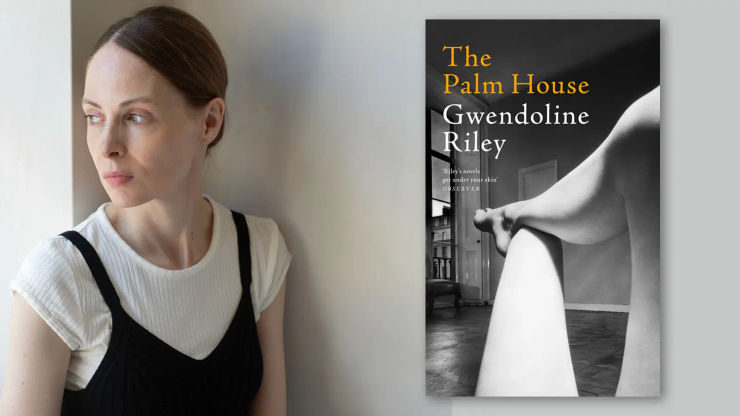
Sarah Moss's books: a guide to the author of Summerwater and Ripeness
Literary critic Lucy Scholes introduces the work of Sarah Moss, from her debut Cold Earth and the recently adapted for TV Summerwater, to her twisty and provocative new novel, The Winter Guest.
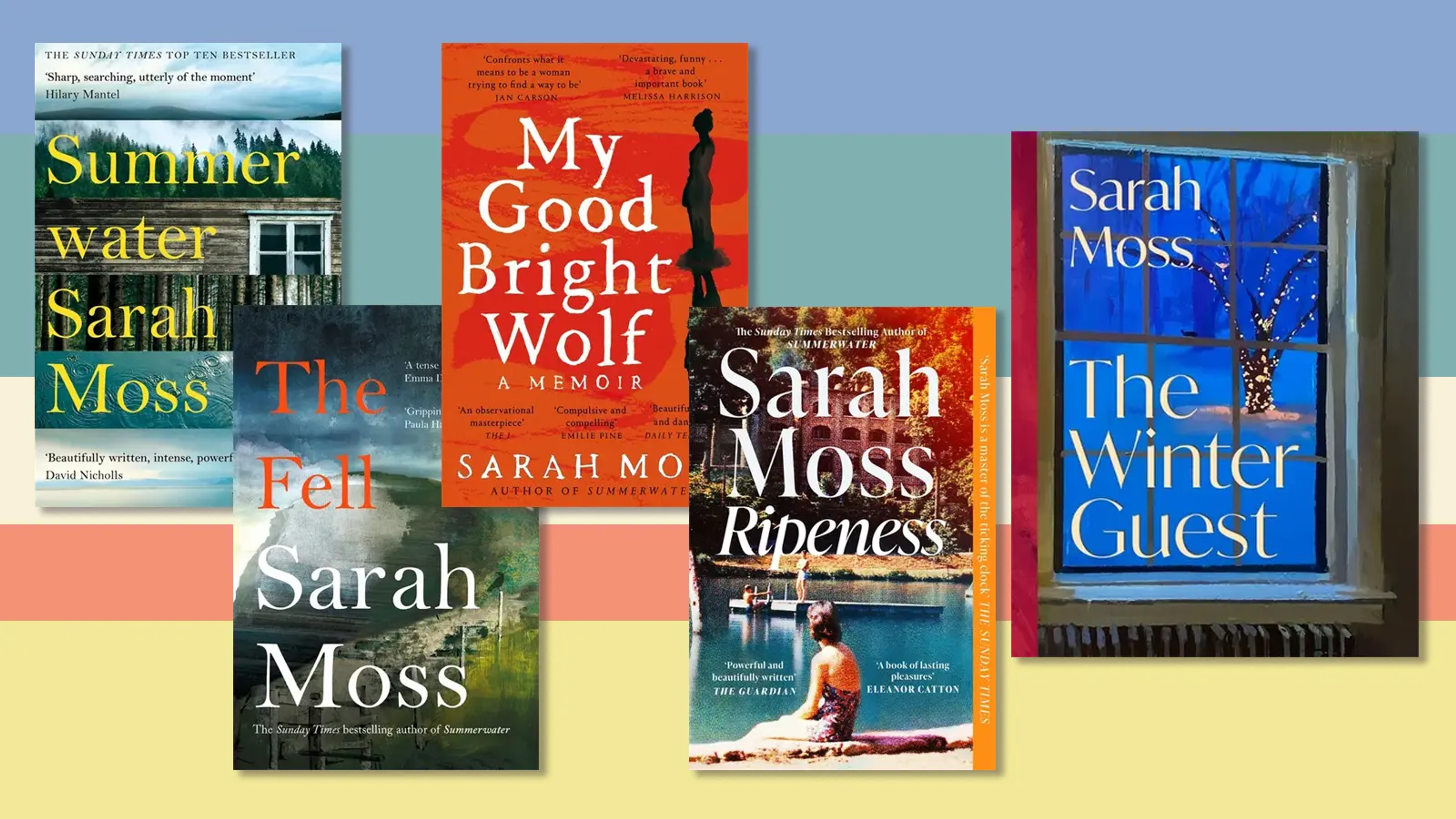
Sarah Moss is widely considered one of our most accomplished contemporary novelists. Long interested in how history intersects with the present day – by means of the echoes, hauntings, and traces left by the past on families, societies, ideas, and landscapes – she brings a lightness of touch to her examination of some of the hottest politically-charged topics of recent years, from Brexit through toxic masculinity, mental health, and class politics. Dame Margaret Drabble perhaps put it best when she praised Moss for writing 'better than anyone I know about the way we live now.' Importantly, though, Moss never allows any of these issues to overwhelm her narratives. She’s adept at telling ghost stories, spinning centuries old mysteries, and building tension towards scenes of inescapable and violent reckoning.
Here's a guide to her books.
The Winter Guest
by Sarah Moss

Two strangers, a man and a woman, share a Christmas Eve feast, the only guests at a hotel on the west coast of Ireland, cut off by the storm that’s raging outside. No ghost stories round the fire for them, just the answer to a single question: 'What’s the worst thing you’ve ever done?' It’s an after dinner game of mutually-assured destruction. Or is it? This is a tense two-hander that possesses the taut animation of a play, and as with much of Moss’s recent fiction, you know you’re in for an explosive dénouement.
Ripeness
by Sarah Moss

A dual narrative that layers various reverberations between the past and the present by means of setting the story of septuagenarian Edith’s current life in Ireland against her memories of the summer she was 17, spent visiting her older, pregnant ballerina sister in Italy, before she – Edith – went up to Oxford. It’s Moss’s most European novel, interested in issues of national identity, migration, and the fates of various refugees, from the Jewish relations in Edith’s family’s own past, to Ukrainians who’ve recently fled to Ireland.
My Good Bright Wolf
by Sarah Moss

An exploration of her ongoing struggle with anorexia, this choral memoir is Moss’s most audacious work – intimate, experimental, and excoriating. This remarkably forthright and intelligent examination of the 'desire and anguish' tied up in her relationship with food, weight and femininity, discipline and moral character, within which Moss battles with a host of dissenting, dangerous, and downright devious internal voices, justly won the 2025 Saltire Award for Non-Fiction.
The Fell
by Sarah Moss

Moss’s Covid novel is best read as something of a coda to Summerwater (below) in that she employs the same close third person narration, flitting back and forth between the streams of consciousness of the novel’s four characters – an old woman, a mountain rescue worker, a teenage boy, and his mother. The latter’s going stir-crazy at home, so she sets off for a walk up on the nearby fell. . . Horribly claustrophobic but infinitely compassionate, this is the novel people should read decades from now if they want to know what lockdown was like!
Summerwater
by Sarah Moss

Internal and external worlds collide in this masterful, polyphonic novel featuring seven families on holiday in Scotland, all trapped inside their cabins due to bad weather, twitching at the curtains and complaining about their neighbours. Moss winds her way through her wonderfully incongruent cast of characters’ memories and meandering trains of thought, building a running commentary on the way we live now told in increasingly torturous, tension-filled real time. Something terrible is clearly going to happen, we just don’t know what.
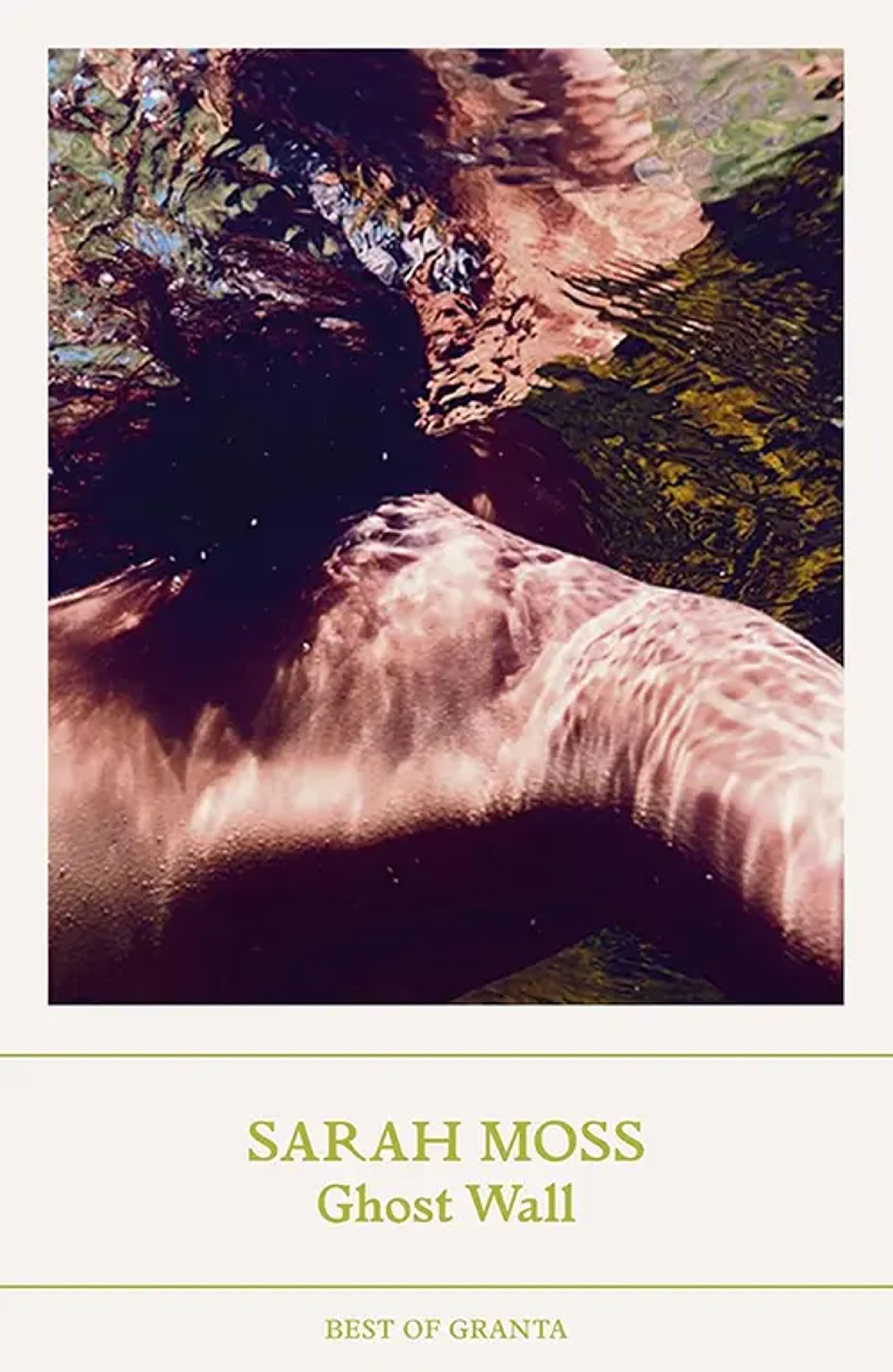
Ghost Wall (2018)
A real masterpiece, this slip of a novel – a mere 160 pages – manages to explore the topics of male brutality and violence, gender inequality, class warfare, and the lessons of history via a narrative that’s so gripping it reads like a thriller. Although the characters are enacting Iron Age life as part of an experimental archaeology exercise on a camp in Northumberland, Ghost Wall is full of uncomfortable truths about the modern world. Domestic violence finds its roots in ancient ritual sacrifice, and contemporary misogyny and xenophobia is shown to be just as dangerous as prehistoric superstition.
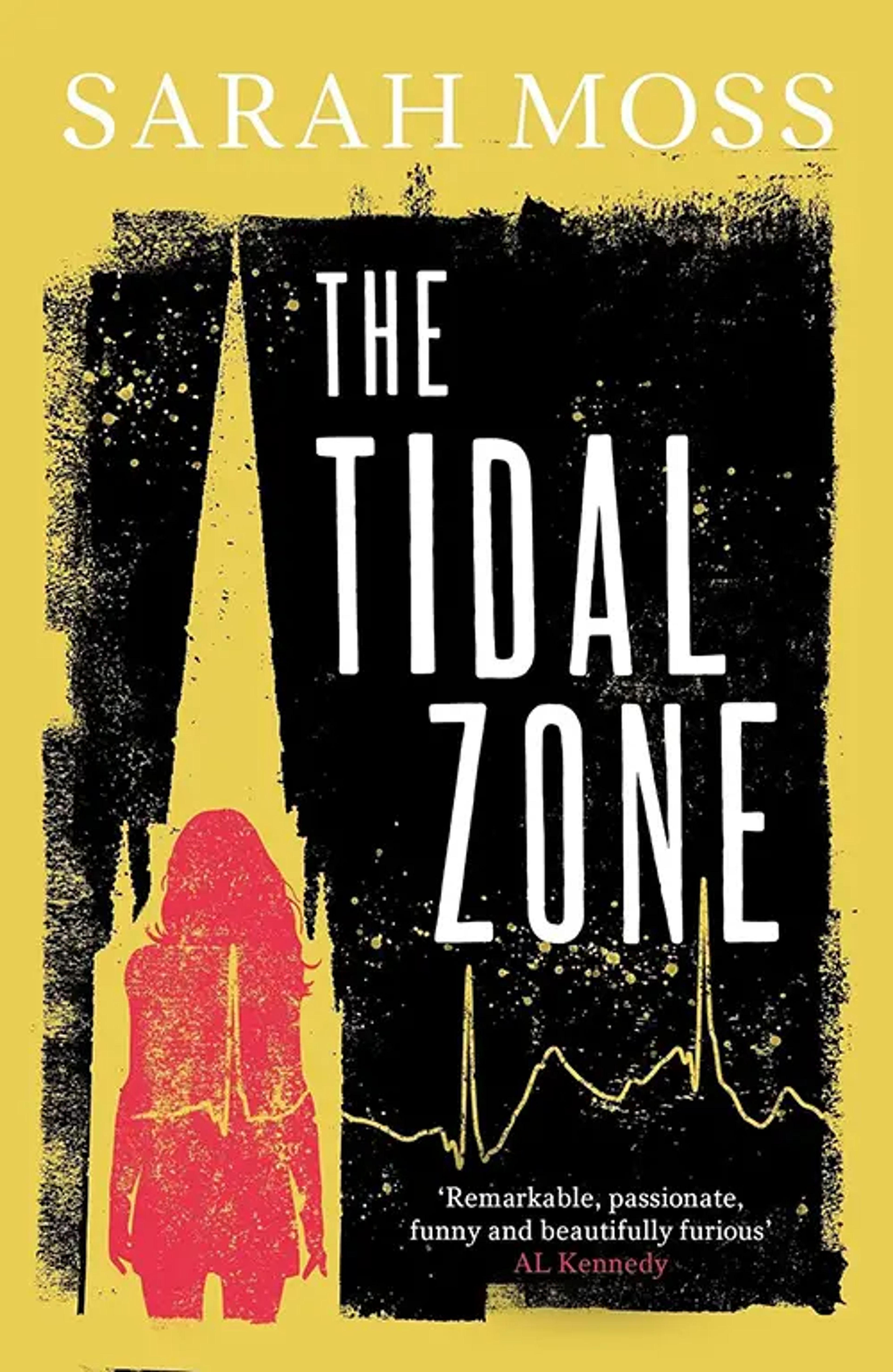
The Tidal Zone (2016)
A jobbing academic, househusband, and primary caregiver to his and his busy GP wife’s two children has his world turned upside down when the eldest of his two daughters has a major medical emergency. A work both ordinary and profound, The Tidal Zone addresses big themes – mortality, parenthood, the politics of caregiving and gender – but by means of a story in which the unresolved and the unknown loom large. It’s what we might think of as Moss’s first state-of-the-nation novel – a tried and tested trope, but one she makes all her own.
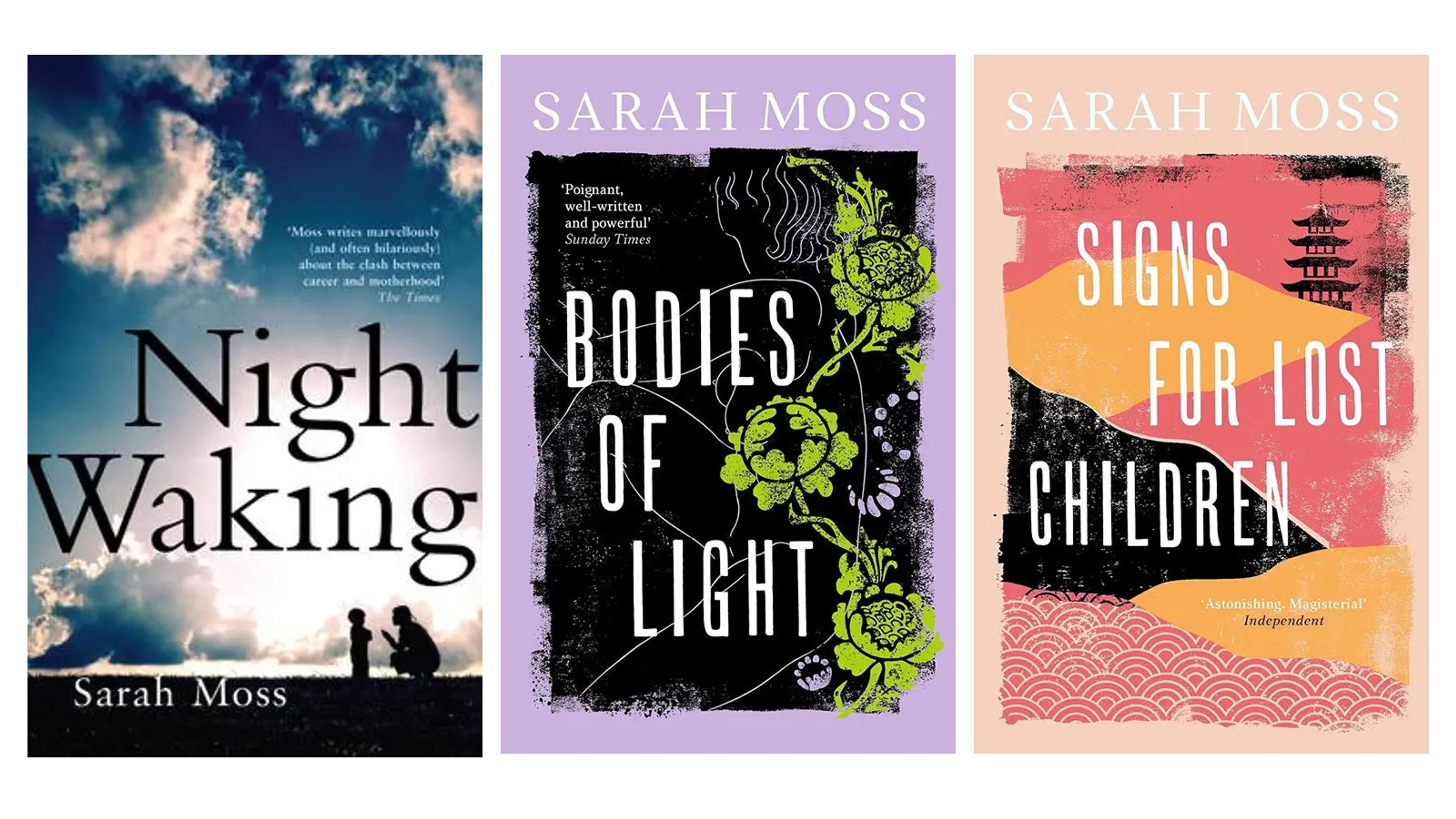
Night Waking (2011)
This is the novel in which Moss first dips her toes into historical fiction, entangling the story of May Moberley, a young nurse looking after the community of a small Hebridean island in the 1870s, with that of a harried academic and mother to two young children on the same island nearly a century and a half later. Moss is brilliant on the frustrations of early motherhood, but she also spins a haunting, long-since buried and forgotten mystery for her protagonist – and her readers – to untangle.
Bodies of Light (2014)
Moss’s first work of full-blown historical fiction reintroduces readers to May Moberley, telling the story of her and her sister Ally’s childhood and adolescence in Victorian Manchester, where they’re torn between the dreams and demands of their romantic, pre-Raphaelite painter father and their tyrannical, evangelical mother. Ally’s determined to become one of the country’s first women doctors, but the already arduous path ahead of her is only made harder by the abusive rigours inflicted on her by her mother.
Signs for Lost Children (2015)
This sequel to Bodies of Light continues Ally’s story. Now a qualified doctor, she’s also recently married, to Tom Cavendish, a talented young architect. While Ally remains in England – taking up a position at the Truro asylum, drawn to this nascent speciality due to her own history of 'hysteria' – Tom’s burgeoning career takes him to Japan, to build lighthouses. Moss alternates between the husband and wife’s stories during their six-month separation, the experiences of each strange and unique, both conquering extraordinary new worlds, geographical, cultural, and psychological.
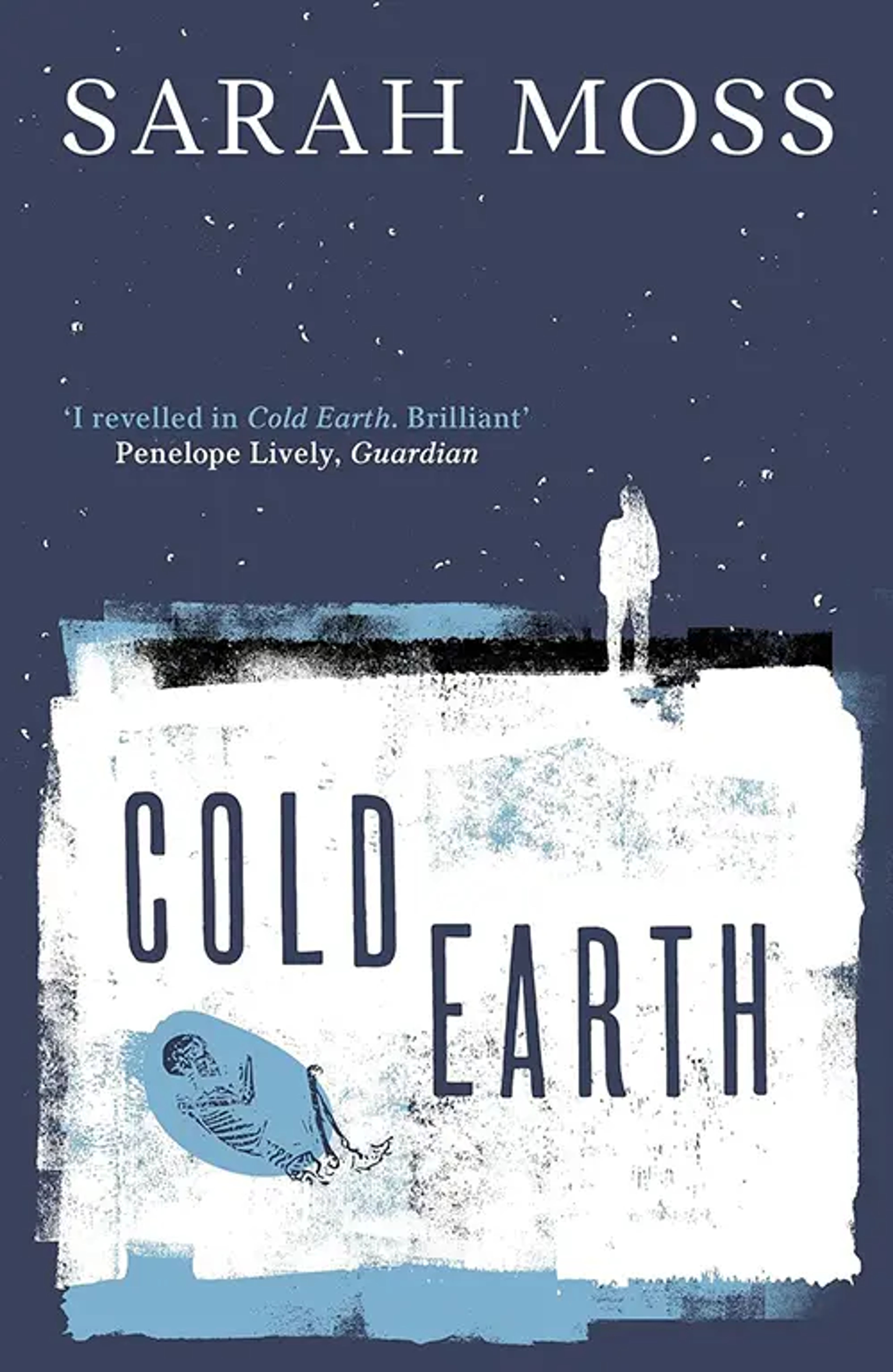
Cold Earth (2009)
Moss’s debut is a nightmare-inducing ghost story that’s only become more terrifying in the aftermath of Covid-19. Six archaeologists arrive at an isolated dig in Greenland just as the first reports of a possible pandemic hit the news cycle. Initially, they throw themselves into their work – they’re all rational individuals, not prone to panic – but soon their lines of communication with the outside word break down and the Arctic winter is fast approaching. More concerning though is the strange disintegration of the boundaries between the past and the present. Are phantoms walking amongst them, or are their frazzled minds just playing tricks on them?