Seven books set in great cities, chosen by our classics team
Curated by our classics editorial team, this list will not only take you back in time but to cities around the world.
Large, energetic cities have always been a source of inspiration for writers, novelists and poets. Reading is, surely, one of the best methods we have of learning about places far away from us. Reading about a city you live in or have visited, too, has real value, and can deeply enhance our understanding of the environments we find ourselves in.
Classic literature has the additional ability of allowing us to visit versions of cities that no longer exist, and to explore landscapes that have been eroded by time and history. These classic novels and short story collections are all set in great cities, with each of their authors fantastically bringing dynamic metropolises to life on the page.
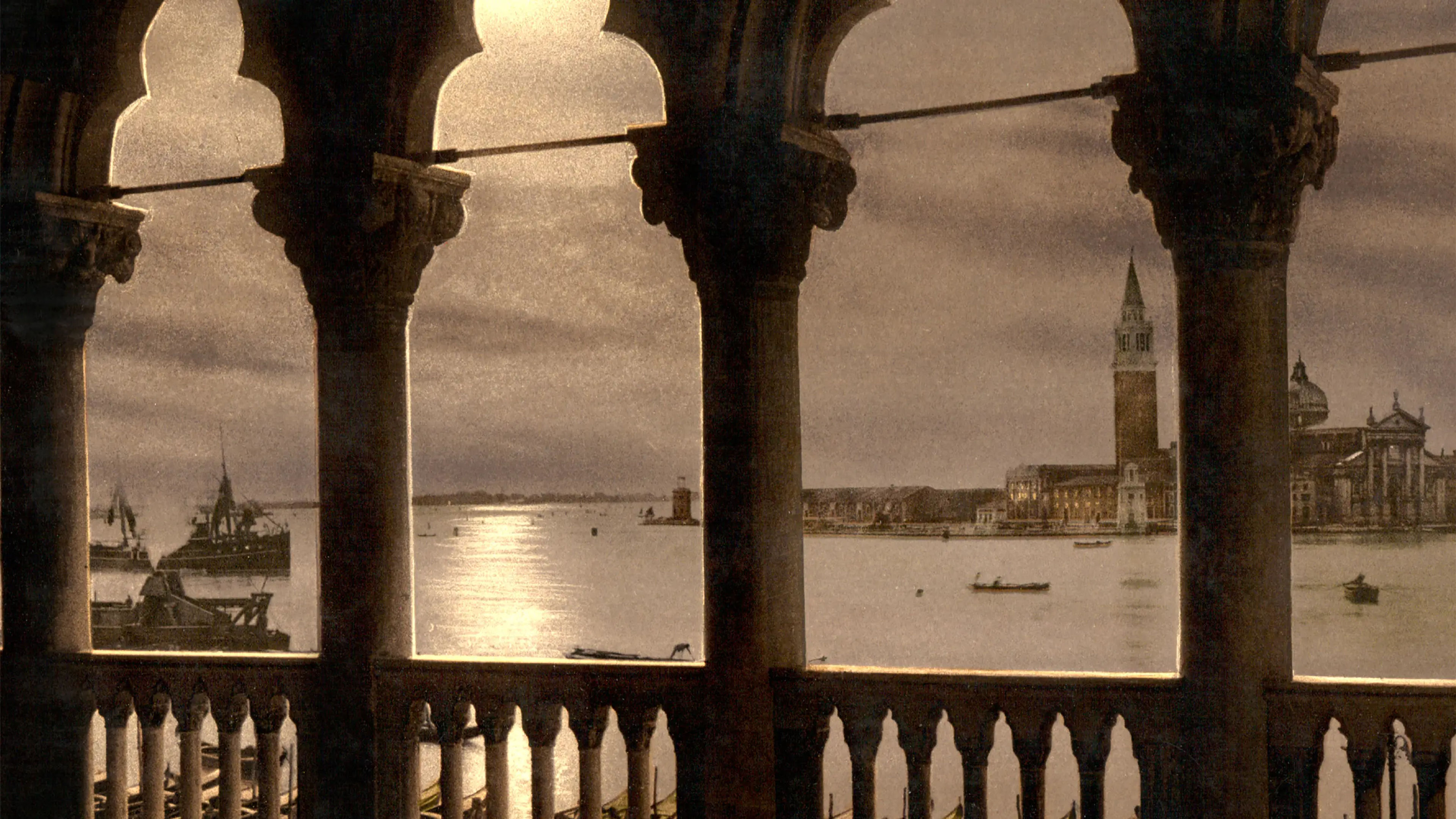
Death in Venice
by Thomas Mann

Nobel Prize-winning author Thomas Mann paints a very unexpected picture of this famously picturesque Italian city. Instead of sweeping panoramas and scenes of palatial luxury, Death in Venice recounts a city’s transformation into a suffocating maze of disease and decay. While on holiday there, Gustav von Aschenbach, an ageing writer, develops a perverse fascination with a teenage boy he sees in his hotel. As a cholera epidemic sweeps through the city, Aschenbach refuses to leave. This is a Venice which is deadly, disturbing and compelling.
Swann in Love
by Marcel Proust

What’s better than Paris described by a famous Parisian? Written as part of Proust’s larger work In Search of Lost Time, this is a novella of obsession and unrequited love. We see twentieth-century Paris in intimate detail, completely intertwined with the ups and downs of Charles Swann’s love for the alluring Odette de Crécy. As their mutual attraction dwindles and becomes complicated, Paris looms large as a silent witness to Charles’ mental agonies. Once Odette pushes him away he is unable to leave the city, searching for her in all the restaurants she frequents, and lingering on deserted streets at nightfall.
Passing
by Nella Larsen

Set in 1920s Manhattan, Nella Larsen’s Passing is an incisive masterpiece of Harlem Renaissance literature. The uptown neighbourhood of Harlem had become a vibrant, exciting centre of Black art, culture, writing and music in this era, and in Passing, it represents a space of freedom and liberation for the novel’s two central characters. Clare Kendry, who has chosen to live her life 'passing' as a white woman, finds herself torn between Harlem and the more restrictive downtown New York. Passing brilliantly examines how our experience of a city and the spaces we have access to can be limited by unjust laws and conventions.
Dubliners
by James Joyce

James Joyce famously remarked that he wanted 'to give a picture of Dublin so complete that if the city one day suddenly disappeared from the earth it could be reconstructed out of [Ulysses].' His short story collection Dubliners would also be a useful resource in such an endeavour. Across fifteen masterful stories, Joyce documents Dublin and its characters in intense detail. Despite the writer’s years spent living in other, more glamorous European cities, Dublin remained his muse. Many of these stories feature characters who yearn to escape the city, but Dublin’s mysteries and unique enchantments keep them in its thrall.
A single city can be experienced in an infinite number of ways; no two writers’ rendering of it will ever be the same. These literary anthologies give us a striking sense of how multitudinous one place can be – an endless number of stories are always taking place simultaneously, side by side. These collections of stories and poems, London: An Illustrated Literary Companion, Paris: A Literary Anthology and New York: A Literary Anthology beautifully capture the kaleidoscopic nature of each of these great, vast cities.