Synopsis
Winner of the PEN Hessell-Tiltman Prize
Winner of the Longman History Today Trustees’ Award
Longlisted for the Orwell Prize
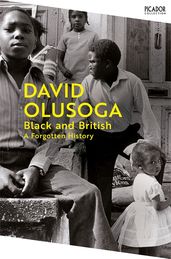
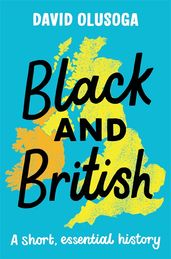
Unflinching and revealing, Black and British is a vital history that reveals how black British lives have been woven into the fabric of the nation for centuries – from Roman Britain to the Black Lives Matter protests.
'Groundbreaking' – The Observer
'A radical reappraisal’ – The Guardian
'Written with great force and passion’ – The Sunday Times
Drawing on new research, original records and expert testimony, David Olusoga's Black and British shows us exactly why black history is not a separate or marginalized story, but an integral part of Britain's cultural and economic life.
Stretching back as far as Roman Britain, the medieval imagination, Elizabethan ‘blackamoors’ and the global slave-trading empire, it shows that the great industrial boom of the nineteenth century was built on American slavery, and that black Britons fought at Trafalgar and in the trenches of both World Wars.
Now fully revised and updated to include the Windrush scandal and the Black Lives Matter movement, this is a history that reveals how the lives of black and white Britons have been entwined for centuries – a history that belongs to us all.
Details
Reviews
“You could not ask for a more judicious, comprehensive and highly readable survey of a part of British history that has been so long overlooked or denied. David Olusoga, in keeping with the high standards of his earlier books, is a superb guide.”Adam Hochschild, bestselling author of King Leopold's Ghost
“A radical reappraisal of the parameters of history, exposing lacunae in the nation’s version of its past.”Arifa Akbar, The Guardian
“A thrilling tale of excavation.”Colin Grant, The Guardian
“[Olusoga] has discovered new and exciting research materials . . . Such sources give his writing freshness, originality and compassion . . . [Black and British] will inspire and will come to be seen as a major effort to address one of the greatest silences in British historiography”David Dabydeen, The New Statesman